Showing posts with label Cuba. Show all posts

Thursday, July 21, 2011

Sierra Maestra on US Tour: DC Concert

Sierra Maestra

It still feels close to miraculous to see Cuban bands touring again in the US. Sierra Maestra performed at the Artisphere ballroom (near Washington, DC) Tuesday night (7/19), with all the simple, rural majesty of the mountain range itself.

Sierra Maestra
Los cantantes: Jesus Bello, Alberto Valdes, and Luis Barzaga

In person, they sound exactly like their records, which are also notable for a distinct, steadfast sound over the years. There are many son bands, but you would never mix up any other with Sierra Maestra. Due in part, I think, to their signature vocalists, but also their arrangements that feel both classic and fresh. With very little effort, they seem to be getting every ounce of vibration out of the ensemble, as if sounding all the seeds in the maraca. There's something about the amplified acoustic son band, vs. a salsa band or big band or timba band, that retains a very organic energy: skins, wood, gourd, seeds, strings, and a little metal; it's a very lively, pleasing texture. Instantly transcultural, maybe because we were all close to the land once, at some point in our history.


They played two beautiful sets, in this huge ballroom (4,000 sq. ft.) that feels intimate because of its wide orientation and low, thrust stage. There's also a viewing balcony; I'll bet the sound would have been great up there, but I stayed near the dancefloor. Nice crowd for a Tuesday night, a lot of couples and families as well as DC casineros, dancers and deejays representing.

Sierra Maestra @ Artisphere  7/19/11

I talked briefly to tresero Emilio Ramos, and happened to catch video of a couple of his solos. Cool style, and an interesting pickup on the instrument. In the background of these photos, you can see the two percussionists switching off on bongos; I didn't talk to them but I think they are founding member Alejandro Suarez (above) and Eduardo Rico (below). I don't know if hand drummers work harder in a son ensemble, or if you can just hear them better than you would in a salsa band, with all the horns and timbales. I wouldn't doubt it. These guys percolated hard all night, and traded hot solos on a few tunes.

Sierra Maestra @ Artisphere  7/19/11

Sierra Maestra @ Artisphere  7/19/11

After the show, Jesus Bello (above) and Luis Barzaga were nice enough to record WXDU station IDs for me on my audio recorder. Jesus was very friendly with fans and stayed in the hall during the break, and post-show, to chat and take pictures.

Sierra Maestra

The youngest member, I'm sure, must be 28-year-old trompetista Yelfris Valdes. The band is known an incubator for Cuba's top trumpet talent, keeping the traditional style of son playing alive. Its former horn players include Jesus Alemañy and Julito Padron.

Sierra Maestra

In back, in the rhythm section, there's a dedicated guiro player (I love that), Carlos Puisseaux, and leaning in close to the drummers, bass guitarist Eduardo Himely. Both are founding members who've been with the band since its founding in the 1970s.

Sierra Maestra


The genres they played included son (fast); son (slow), which is not cha cha cha, but hardly recognized as such by dancers outside of Cuba anymore; sucu sucu ("Felipe Blanco"), a genre someone from La Isla de la Juventud once told me is native to that island; changui, from Guantanamo; and even a conga santiaguera (marking the first time in my life I actually joined in a conga line--and enjoyed it).

These rumberos, who are active in the Afro-Cuban cultural scene in DC, were taking advantage of the last exuberant song of the night. Dancers: Oscar Rousseaux (white pants), and Adrian Valdivia:


Note to local arts presenters: Sierra Maestra would be a fantastic Cuban band to build in to your next arts season, whenever they may be touring again. I guess we have to go back to Buena Vista and start from ground zero, in terms of building audience recognition for Cuban music again, but that is what makes this group a perfect segue. And, if possible, make it a DANCE and find a venue that will welcome those of us who love and honor this cultural tradition as our own, not just your high-end concert series subscribers.

For example:

COMING UP:

Duke Performances has booked Joan Soriano, "El Duque de la Bachata," into Motorco this coming September 23. Bachata, a Dominican folk form that is a direct spin-off of son, is best presented where it can be danced, as well as listened to, so kudos goes to Aaron Greenwald and his staff at DP for getting it right. Looking foward to that show.

Monday, July 18, 2011

Sierra Maestra @ Artisphere in Virginia TUESDAY (7/19)

Before Buena Vista, there was Sierra Maestra. Since the '70s, it's been Cuba's flagship son band, with a traditional formation that still includes clave, maracas, trompeta, bongo, y tres. But, this is no music for oldtimers: Sierra Maestra plays modern son, hard and fast, infused with the rocking, relaxed groove native to Cuba's eastern province of Oriente.

On tour in the U.S. from July 14 through 26, Sierra Maestra plays a dance in the Artisphere ballroom in Arlington, VA (Metro DC) this Tuesday (7/19). It will be the venerable soneros' only tour stop in the Southeast. Tickets are $22 and $25, with a dance lesson at 7:30 pm, and dancing from 8:30 to 11 pm. Artisphere Communications and Marketing Director Annalisa Meyer says the ballroom space comprises 4000 sq. ft., with a stage that still offers an intimate concert experience. Dancers, if you're anywhere near D.C., seize this chance to see one of Cuba's legendary performers in IDEAL ballroom conditions!


Former members of Sierra Maestra include tresero Juan de Marcos (who masterminded Buena Vista Social Club), and some of Cuba's top trumpeters such as Jesus Alemañy (who went on to form Cubanismo) and Julito Padron (who has toured with Afro Cuban All Stars).

Here's the active lineup:*

First Name / Family Names / Instrument / Founding Member (1976)

Luis Manuel BARZAGA SOSA - Vocals , claves / YES
Eduardo Idelfonso HIMELY PINO - Bass guitar / YES
Carlos Antonio PUISSEAUX MANSFARROLL - Güiro / YES
Emilio José RAMOS BATISTA - Tres
Eduardo Manuel RICO MENENDEZ - Congas, bongo, cowbell
Jesus Eusebio BELLO DIAZ - Vocals, guitar
Alejandro SUAREZ GALARRAGA - Claves, cowbell / YES
Alberto Virgilio VALDES DECALO - Vocals, maracas / YES
Yelfris Carlos VALDES ESPINOSA - Trumpet

*thanks to Annalisa Meyer of Artisphere for providing advance information and publicity photo.


EVENT LINK:

Sierra Maestra live at Artisphere, Arlington, VA - July 19, 2011

Friday, November 26, 2010

Review: Alex Cuba in Raleigh

I counted about 40 heads at Alex Cuba's live show at the Berkeley Cafe in Raleigh this past Tuesday, just about a week after he won "Best New Artist" category at the Latin Grammys.

Alex Cuban Band
Or course, this tour was booked long before. But what impressed me wasn't just Alex' clarion voice, his hot guitar pickin', or his adorable sneakers (the same shiny, silver hightops that he wore to the Latin Grammys). He played this show like he was earning our love, one listener at a time. With several Junos and a Latin Grammy in his pocket, Alex Cuba is still paying his dues. And he doesn't seem to mind at all.

Something of a perfectionist, Alex (whose first instrument is bass) plays almost all the parts on his solo albums; on tour, he doesn't like to go bigger than a trio. He seemed very disciplined about the whole touring thing, and very happy to be building his audience, one beerhall at a time. From Raleigh, next stop: Vienna, Virginia, on a 14-leg tour.

Re: The Alex Cuba trio band:

Bass player David Marion is a Paris native; his mother is from Guadeloupe. He has played some zouk, but mostly gospel back in Paris (who knew!). It figures; he has that light-from-within thing when he smiles. He's toured with Alex since 2006.

Alex Cuban Band

Drummer Max Senitt is based in Toronto, where he's involved with the Latin jazz scene, and gigs regularly with the exquisite Cuban pianist Hilario Duran. Hilario seems like a laid-back dude, I saw him live backing Jane Bunnett, but as Max says, he's a "madman" at the piano. I have been playing his recent solo disc Motion on WXDU (Azucar y Candela Wednesdays, 6-8 pm, wxdu.org). Max has toured with Alex for about two years.

Alex Cuba drummer Max Senitt

There is only one word for the reception Alex Cuba + trio received in Raleigh: an embrace. Please come back soon, fellas.

For the home audience, here's video of Alex's first English lyric tune, which he graciously dedicated to Berkeley Cafe promoter Marianne Taylor:


Alex Cuban Band

Alex is dreamiest alone at the mic, with his guitar and hooky songwriting. Here's a snippet of the first encore we received, his lovely ballad "Solo Tu," from the newest, self-titled album Alex Cuba:

Monday, November 22, 2010

Alex Cuba TUESDAY @ Berkeley Cafe

A really unusual Cuban-born touring artist will chase away the Thanksgiving week doldrums at the Berkeley Cafe: singer/songwriter Alex Cuba, just awarded Best New Artist Latin Grammy.

Here's the link to my writeup in the INDY for Alex Cuba's appearance at the Berkeley Cafe this Tuesday (11/23); see also the N&O feature on Alex Cuba.

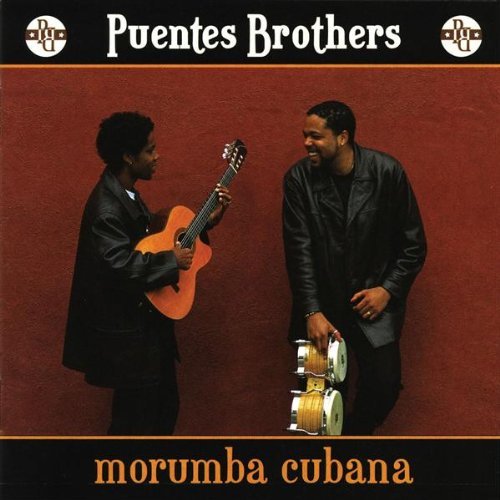
I first came to know Alexis Puentes [aka "Alex Cuba"] via the Puentes Brothers' Morumba Cubana, a rootsy little album of Cuban son that turned up one day at the radio station WXDU around 2004. Canadian emigres, the brothers Alex and Adonis Puentes were doing fun, original material that draws not only on traditional Cuban son, but trova, the native Cuban and Latin American tradition of folk. I seem to recall some American swing mixed in there as well. This album fell into the "pleasant surprise" category.

It wasn't until recently that I realized that Alex and Adonis--now on quite different solo paths, are actually (fraternal) twins. There's enough difference in their look, sound, and personal style that this never hit me as obvious. Naturally, there's a great resonance between them, too.

Adonis blew me away with his shrewdly cynical, yet bumpin' dance tune "Commerciante" on his 2005 solo album Vida. With the coro, "yo no soy músico, soy comerciante (I'm not a musician, I'm a businessman)," the song is both a resignation to, and a protest of, the pressure on artists to produce "hits." Adonis' sound is much more traditionally Cuban, informed by newer dance grooves of timba and salsa but hewing close to the acoustic aesthetic of traditional son. His vocal style reminds me of elegant, jazzy sonero Issac Delgado. Adonis was tapped as a vocalist recently, along with Ruben Blades, for the Lincoln Center free revival concert of Larry Harlow's La Raza Latina: A Salsa Suite.

I would have pegged Alex for the younger brother, because his style, both audio and visual, is much more contemporary and fused with urban and pop fashion. Whereas the cleanshaven Adonis strikes me as a plainspoken craftsmen, Alex, with his trademark fro and arching sideburns, cuts the figure of a flamboyant hipster. Both of them have the songwriting knack and a strong, clear voice. Trova is generally written in a much more personal first-person voice than son, so in a way this is a good starting point for pop fusions, something Alex in his solo career has exploited well.


I really liked Alex's last album, Agua del Pozo, because it congenially strayed from Cuban tradition without falling into a generic Latin pop sound. The new one, self-titled, I've only heard on the website, and while it sounds a little poppier to me than the last one, I can't give it a full review yet. If it's any indication of which direction he's going musically, Alex also helped craft Nelly Furtado's first Spanish-language album, Mi Plan, which also one a Latin Grammy this year.


Alex plays a mean Gibson, and I'm curious to see what the touring band sounds like, and how much of the show will be acoustic vs. electric.


LINKS:

Alex Cuba @ Berkeley Cafe this Tuesday (venue link)

Alex Cuba (artist website)

Wednesday, November 3, 2010

I Got a Filin: Omara Portundo interview & concert FRIDAY

+011 53 7...it was my first time dialing Havana.

Omara Portuondo didn't answer right away. Finally, after about 40 minutes of dialing, a voice picked up:
"Oigo? Omara Portuondo is my name."


Omara's concert at UNC's Memorial Hall THIS FRIDAY (11/5) will be the first by a Cuban artist in the Triangle since Barbarito Torres played the Cat's Cradle in December, 2003.

Here is my extended, edited version of the interview I conducted on October 22, some of which appears in an article in this week's Independent Weekly.

Sylvia Pfeiffenberger: Omara, tell me about your beginnings in music. What were your first music schools, either formal or informal?

Omara Portuondo: I attended normal schools from elementary through high school. Starting in primary school, I belonged to the chorus and took classes in music.

Sylvia: How and when did you arrive in the Filin scene?

Omara: That was in the decade of the 40s, I encountered a group of young people that called themselves “Filin” [>Eng. “feeling”]. Filin means “sentimiento,” and so everything they did in music, they said it had to have “filin.” We began doing boleros and lots of things. The most well-known song they did was called “Contigo en la Distancia,” by composer Cesar Portillo de la Luz. The pianist of the group was Frank Emilio Flynn. Many of these people have already died, because they were older than I was. I was still an adolescent, I was still in high school at that time. But I went to places where you could hear trova, and came to know their music in the houses of friends, etc.

Sylvia: Who gave you the nickname, “La Novia del Filin,” [the Sweetheart of Feeling] and when was that?

Omara: It was the first show I ever did, a program called “El Microfono,” on the radio station Mil Diez. The announcer Manolo Ortega gave me the name “La Novia del Filin,” because I was the only woman in the group at that time.

Sylvia: Among Cuban composers, do you have favorites?

Omara: Almost all of them are my favorites. One of them who has works that are almost classical in nature, but with Cuban roots, is Sindo Garay. I like the writers of traditional trova, and the composers of filin, like Cesar Portillo de la Luz. On the Gracias album, there’s a filin song called “Adios Felicidad” [by Ela O’Farrill]. There are many more I could name.

Sylvia: Is it true what one reads, that North American jazz singers influenced the Filin movement, such as Maxine Sullivan, Lena Horne or others?

Omara: We heard all that music in Cuba, because the southern US is close to Cuba and the Caribbean. We made our own jazz, too, like Frank Emilio, who was an excellent jazzista, but also had a filin ensemble. We also made Brazilian music because we knew it. We made Italian music because we knew it. From Spain we had zarzuelas, all the Spanish music. We had the possibility to know almost all cultures, to have access to them, to know them and to enjoy them.

Sylvia: Was it an international movement then, in terms of its influences?

Omara: The Filin? Filin was a national movement. We sing the same songs now as when I was starting out, boleros, sentimental songs, that’s why it’s called feeling. We were music aficionados. We weren’t very professional in the beginning, but as time went on, we got more professional. We made music everywhere, on the radio stations, everywhere. The radio was a very important means for transmitting the music.

Sylvia: I want to talk a little about your time in the group Cuarteto D’Aida.

Omara: El Cuarteto D’Aida was founded in 1952. There were five musicians, the director, Aida Diestro, and the [vocal] quartet of girls, Elena Burke, Moraima Secada, my sister Haydee Portuondo and me. Aida Diestro was a magnificent musician, complete in every way, she knew how to make great arrangements and select the songs and everything.

Sylvia: Was this also a sort of school for you?

Omara: Yes, that was my university. I was active in the quartet for 15 years, from 1952 until 1967. Then I left to become a soloist.

Sylvia: Let’s talk about your album Magia Negra, at the end of the 50s, that was your first album as a soloist, correct?

Omara: Oh! You know it. While I was still with the quartet I made that record because the musicians suggested it. They wanted to make a record with me, and that’s what we did.

Sylvia: That record has a very interesting sound, a mix of jazz, musica tipica cubana

Omara: Yes, we did a completely Spanish version of “Magia Negra” [“That Old Black Magic”]. Lena Horne sang a song at the time in a film, Stormy Weather. I sang it with Frank Emilio on the radio, in Spanish and English. “Summertime,” all these type of things, I sang these in English and Spanish. At the time several [U.S.] movies came out with all-black casts, another was Carmen [Jones], with Harry Belafonte.

Sylvia: Have you acted in movies?

Omara: Yes, I’ve acted in two films. One is a Cuban opera, it’s a zarzuela, called Cecilia Valdes. They turned it into a movie. There’s a character called Mercedes Ayala running a club where white men could dance with mulatas.

The other film is called Baragua, it’s a city in Cuba where they made peace in the war for Cuban independence. In that one I played the mother of one of the fighters for Cuban independence, Antonio Maceo.

Sylvia: This past November you visited the US to present at the Latin Grammys, and you also won that award [Best Tropical Album for Gracias (2008)].

Omara: That was a very lovely thing that happened to me, and to everyone who worked on the record. We work as a team. We have Brazilian musicians, some from Buena Vista, my son…it was a beautiful project for that reason, because we all worked together, composers, producers, and musicians.

For many years we couldn’t come here [to the U.S.] because Cuba was on a terrorist list. For that time [c. 2004-2009] they didn’t give us visas. But last year, they gave me one. I was able to meet a Mexican composer [at the Latin Grammys] whom I admire greatly.

Sylvia: When was your first visit here? How many times have you toured the U.S.?

Omara: The first visit, it was in 1951, with a show from the Tropicana. There were dancers, musicians, and an orchestra. I haven't counted them [U.S. tours], but that was the first one.

Sylvia: I want to talk some about the Buena Vista phenomenon.

Omara: That was a big hit, also.

Sylvia: Were you expecting it? What importance did it have, as one chapter in your long musical career?

Omara: Well, really, I’m very glad I was incorporated as a part of that very successful record. We toured all over, Europe, Germany, we visited all these places. I was making a filin record at the time, and they came to me and said they wanted me to sing on this record that still didn’t have a name. I sang a duet with Compay [Segundo], “Veinte Años,” which is a song I have been singing for many, many years. It’s a song my parents taught me, a very special one.

Sylvia: To be quite honest with you, that was my introduction to Omara Portuondo, but since that time I’ve been lucky enough to get to know most of your music.

Omara: You don’t say. I give thanks for that, I had no idea someone like you would be interested in getting to know all my music after so many years. In what part of the U.S. do you live?

Sylvia: In North Carolina.

Omara: Well you know we are going to visit you soon.

Sylvia: Yes, we are looking forward to it. I’ve been waiting a long time for the return of Cuban artists.

Omara: Yes, we’re here now. I'm very happy about it because culture has to have its space.

Sylvia: Do I have your correct birthdate, which is October 29, 1930? How do you plan to celebrate your 80th birthday?

Omara: Yes. That day I’ll be [performing] in Chico, California. That’s the best way I could spend it, singing, because I don’t like parties. I don’t drink alchohol. My parties for me are my work, because I get tremendous enjoyment out of it. It gives me energy, it gives me life. I feel very good on stage.

Sylvia: It’s interesting to me that you are a singer with a very refined style, you sing jazz, you have performed on TV and in nightclub shows, but also, you are really a people’s singer, because you sing songs that everyone knows and that everyone sings.

Omara: Yes, of course, that is very important for me too. Because what interests me, what I need as a human being, is to sing things that everyone feels. Love songs, all these sentimental things I’m interpreting, I’m also feeling them at the same time, when I am singing.

Sylvia: Omara, thanks for your time today.

Omara: Muy agradecida.

© by Sylvia Pfeiffenberger 2010. Written permission required to reprint or reproduce.


LINKS:

Nov. 5 Concert Info/ Box Office for Carolina Performing Arts

INDY story: "With Omara Portuondo, Cuba Comes Back to the Triangle"

Omara Portuondo artist website

Tuesday, October 5, 2010

Season Update: Charanga Carolina

Charanga Carolina @ Festifall

Charanga Carolina is a UNC performing ensemble made up of students and guest artists from the community. Like a sports team, the roster varies year to year based on student enrollment and graduations. We're lucky to have a few key players back in Charanga this fall (Caity Bunch on flute, Alex Williams on piano, and Ryan Raven on trumpet, among others), as well as a whole new crop of student Charangueros.

Charanga Carolina @ Festifall

Charanga Carolina @ Festifall

Charanga Carolina @ Festifall

With more trumpets than trombones this semester, however, director David Garcia has rotated timba charts out of Charanga's book, for the time being. "To play Los Van Van, you really need the 3 trombones," David says.

What emerges stronger this season are the strings, with 5 strong players in the violin section. What better way to showcase this than by playing danzón, the original mainstay of the charanga orchestra, and the genre from which later developments such as the mambo and the cha cha chá emerged.

With its slower tempo and more classical sound, danzón may seem like a staid alternative, but it's an important building block in the history of Cuban music, and still forms the basis of many Latin jazz compositions to this day. Playing danzón well is challenging, because there's not much cover for the musicians, and its rhythmic shadings have their own subtle idiosyncrasies. Danzón builds slow, but the groove payoff in the end is large. Hear a modern echo in the cha-rock slowcookers of the 60s and 70s, songs like "Cocinando" ane "Oye Como Va"--based on rhythms that originated, in the way-back time, with danzón.


Charanga Carolina did an impressive job last Sunday, therefore, with their first public performance of this classic danzón "Angoa" at Chapel Hill's Festifall.

"That was the first time I've ever heard live danzón, and it made my day," said dance aficionada Amanda Jackson.

Other new charts in the book this season: an Arsenio Rodriguez son, "Blanca Paloma," and a conjoined version of "Guantanamo" and "Me Voy Pa' Moron." As a dancer, I can tell you these two-for-one charts are heaven to dance to. Thanks, Charanga! Keep up the good work.

Charanga Carolina @ Festifall

Next performance of CHARANGA CAROLINA:

Saturday, October 16 at 8:30 pm at Durham Academy's Fiesta Latina. Free and open to the public! Not only that, but your Fiesta Latina program will get you a discount at the door to see New York salsa band La Excelencia at Fred Astaire studio later that night, which is the official afterparty of DA Fiesta Latina.

Charanga Carolina @ Festifall

Tuesday, September 28, 2010

Bamboleo Shows Who's Boss

Bamboleo
Lazaro Valdes y su Bamboleo @ Star Lounge

Late Sunday night, I made my way to the DC suburbs in Virginia to see Bamboleo, one of Cuba's legendary timba bands. Back in the late 90s, Bamboleo made waves with their urban sound and look. Recalling the sleek sophistication of a late 70s funk band like Chic, Bamboleo broke the norm by featuring a powerful pair of female lead singers, Vannia Borges and Haila Monpie. The band's personnel has morphed since then (like most timba bands), as first-gen fans are eager to point out, but maestro Lazaro Valdes maintains the Bamboleo trademark with current leading lady Tania Pantoja. Her young, "Generation Y" Cuban fans were ready and waiting for her at Annandale's Star Lounge when I arrived, just after La Tremenda had finished their opening set.

Bamboleo

Have you ever noticed that timba bands don't stop to talk to the audience between songs, they talk to the audience during the songs, which are usually extended dance versions with added coros and transitions? They hit the stage like water on greasefire, and the show never lets up. Here's Tania giving the welcoming shout out during the band's opening number:


Having seen Pupy y Los Que Son Son and Manolito y Su Trabuco earlier this year, I have a widening database of live Cuban timba bands to compare this to. They all use a little different orchestration, and a little different take on the timba mix of styles of influences. Each band has a "mastermind" or main songwriter/director, with the rest made up of some combination of long-time associates and younger, renewable parts (especially singers). Renewable is not to say interchangeable; a lot rides on the "who's who" of who is singing or playing with which band, when, and often it lends each era in a band's recording and performance history its own classic character, even when the same material is repeated. The repertoire is the soul of the band, evergreens mingling with new innovations as the dance bands constantly battle each other for the Cuban public's attention.

In the case of Bamboleo--like Pupy and Manolito--the "mastermind" is the pianist/keyboardist, Lazaro Valdes. Timba bands also tend to have BOTH a piano and synth keyboard (or "teclado") player, so the setup for Bamboleo was interesting: One guy alone played both piano and traditional synth keyboards, which were mounted together on one stand, while Lazaro in the frontline wielded a Roland AX-Synth.

Bamboleo

Bamboleo

Here's what I could piece together of the personnel list: Maykel Rojas (trumpet), Tony Garcia Gonzales & Alejandro (sax), Karel Samada Fernandez (pianista/tecladista), Lazaro Valdes (keyboards/leader), Tania Pantoja and Ronnys Lopes Salas (vocalists), Juan Aguilera Noris (drumset), Alexander Sanchez (timbales), Roberto ("tumbadora" aka congas), Cachito (a dedicated guiro player). The bass player switched out instruments, carrying his rock bass piggyback at times when opting for the electric upright.

Bamboleo

Bamboleo

Bamboleo

I talked to dancing timbalero Alexander Sanchez, who says the Dolce & Gabbana symbol just happens to be popular right now (some of Manolito's younger guys were also sporting it). It's his first time touring in the States, since he joined Bamboleo only about 5 or 6 years ago. Before that, he spent 4 years with Pachito Alonso y sus kini-kini.

The set was about an hour and a half, and I recognized a lot of songs from their most recent albums, 2010's Quien Manda? (also released as Vengo A Lo Cubano) and 2006's Mi Verdad.

Here is Tania singing "Los Guapos" from the new album:


Bamboleo
Bamboleo singer Ronny

The "audience participation" number, a chestnut of any live timba show, was the rumba-based "Atrevimiento" from the album Mi Verdad. There are some great dancers here, especially the guy in all-white dancing rumba:


My favorite, most unpredicted moment of the night was this funky mambo version of "Tequila" as a mashup with The Beatles' "Come Together." Is this recorded somewhere? Sometimes these guys sound strikingly like an American funk, rap or R&B band, but with all the energetic rhythmic underpinnings of timba. Pretty infectious:


This crowd was smaller than those for Manolito and Pupy in DC, probably owing a lot to the fact that it was a Sunday night. All these shows happened in different venues with different promoters, so it's hard to know the effects of such variables on turnout. It's also hard to figure out if we are making headway or not, as far as developing a timba tour network that may, one day, stretch into the Southeast?

Having played a great show, with one power ballad (not something you hear in Pupy's shows or albums, by contrast), the encore set was modest, taking it out with the title track from Bamboleo's 1999 heydey recording, Ya No Hace Falta:


SOON TO COME...my post-show interview with Lazaro Valdes


Lazaro Valdes

Bamboleo

Saturday, September 25, 2010

BAMBOLEO: Cuban Band in Virginia SUNDAY

Publicity has been spotty for Cuban timba band Bamboleo's U.S. tour, or tour-let, going on now. They played Miami on the 17th, New York yesterday, and will be in Paterson, New Jersey tonight.

Here in the Mid-Atlantic/Southeast, Bamboleo will be in Metro DC for two appearances on Sunday (9/26): at the Latino Festival in Mt. Pleasant for a three-song teaser at 3 pm, and the Star Lounge in Annandale, VA, Sunday night. Star Lounge opener is DC salsa band La Tremenda, featuring Peruvian vocalist Julito Vilchez. DC's timbera mayor, DJ Reyna La Farandulera, will be spinning.

VIRGINIA CONCERT INFO:

Tickets $30, VIP $40. Available at www.ticketlatino.com
Email: catozega@aol.com
Phone: 703) 953-1743, (703) 861-1757

LINKS:

Bamboleo in Virginia, Facebook event page
Bamboleo in New Jersey, Facebook event page

Tuesday, June 1, 2010

Cuban Capital: Manolito y Su Trabuco in DC!

New York, Miami and California are now receiving a steady flow of Cuban bands on tour, but none (that I know of) have touched the mid-Atlantic region--until now: Manolito Simonet made landfall at Arlington, Virginia last Saturday night, the first Cuban timba band to play the D.C. area since the relaxing of visa restrictions for Cuban artists. For Manolito y Su Trabuco, it's the first U.S. tour since late 2000-early 2001.

Manolitooooo!
Manolito Simonet, live in Arlington on Saturday night

On May 29, he was on his way to the capital from triumphant shows in San Francisco, Chicago, New York, and just the night before, in Patterson, New Jersey.

I arrived at the venue late Saturday afternoon: Yorktown Bistro, a sleepy Peruvian bar and restaurant on Lee Highway, capacity 250, with a small stage against one wall. Could it really be that a 17-piece Cuban band was playing here tonight? My $30 advance ticket was already paid for. Come what may, whether Manolito played or not, I would be there for the ride.

At my hotel, a shower and a take-out salad later, I headed back to the Bistro around 8:30 pm. Kitchen smoke still hovered in the dining room, where, nearly to my surprise, 6 or 7 guys were doing sound check. Trabuco drummer Roicel Riveron, conguero El Lelo, and bassist Roberto "Chino" Vazquez were making plenty of noise, as the Cuban sound engineers hooked up cables. Roicel and Lelo were up on the tiny riser, but 2 keyboards and all the mics for the singers and brass section overflowed around the stage, with stadium-sized speakers stacked to either side. Reyna La Farandulera, a local D.C. timba deejay, already had her iPod stereo set up on a table draped with a Cuban flag. Sure enough, this spectacle was really going to materialize; I let the wonder seep over me.

Manolito concert in Virginia
Drummer Roicel Riveron and bassist Roberto Vazquez eating dinner after soundcheck

Talked with Roicel and Roberto, while they hung out and ordered pescado frito with rice and beans. (The food looked delicious.) They were in good spirits, and friendly, although a little road weary. Roicel reported good audiences everywhere, but not quite as jam packed in Chicago. After eating they split for their hotel to shower and change.

Meanwhile, Reyna stoked up the timba as more dancers arrived, and I enjoyed watching the young, stylish Cuban-Casino scene in action. It was a hot room. The audience for Manolito shaped up to be a mix of Peruvians, Cubans, and casineros of various backgrounds.

Manolito concert in Virginia
DJ Reyna La Farandulera (right) con una amiga Cubana during Manolito's set

We were competing against Tito Rojas that night, not far away at The Salsa Room (see pictures of that show here). That venue, roomier, nicer, and more experienced at handling big tours, will be the setting for the king of Cuban timba bands, Pupy y Los Que Son Son in Arlington on Saturday, June 19. Reyna La Farandulera, a personal friend of Pupy's, is also going to DJ that night, and I can tell you, her music is beautiful. D.C. has got Cuban flavor!

The band was slated to start at 10 pm, and I started getting nervous (again) around midnight, when Manolito hadn't arrived yet. Could it be that this deal would somehow fall through at the last minute? It seemed possible. By now the room was packed and restless, flags were out (Peru and Cuba), and fans were staking out prime positions in the permeable "stage" area. A woman pointed out to me as being from the Cuban Interests Section in D.C. kept checking the window frequently, so I hadn't given up hope.

Around 12:30, I got the good word that the Trabuco had arrived. There was frenzy when they came in the front door and went straight to the stage; I had to engage in full body contact with other fans just to hold my spot near the piano long enough to video this first tune:


You can see Manolito pulling back his piano at the end, in a bid for more space--to no avail. Ultimately, a bouncer was stationed directly in front of him for the rest of show, to keep the pile of crazies from knocking over his piano. Trying to keep this crowd under control was like trying to keep the cork in a bottle of champagne.

Manolito in Virginia

Manolito
Lead singer (in hat) Ricardo Amaray

It was phenomenal to be there, in a relatively intimate setting, with one of Cuba's top timba bands, bringing home to me just how essential it is to see these bands live, both to keep up with their frequent evolution and the turnover of individual musicians, and to understand just how these bands work as ensembles. There is no substitute! Thank Yemaya, the genie is out of the bottle. Hopefully, a timba renaissance is on the way, and these tours will be reaching out (once again) to North Carolina and the heartland soon. Before, in the late 90s and early '00s, the focus of US interest was on traditional Cuban music, and it seemed like the well got cut off just as people were getting introduced to contemporary Cuban "salsa" (aka timba). With all the pent-up hunger for Cuban culture out there, I think we have a chance this time. When you observe the rest of the world, it's painfully obvious that we are culturally far behind them, in timba terms, but also that it is possible for timba to thrive and for audiences everywhere to learn what it is all about. Es solo musica, like it says on the Egrem studio door; just go and feel it, the Cubans will bring the party to you. Just like they have for generations!

Manolito in Virginia
Teclado (keyboardist): Miguel Angel "Pan con Salsa" de Armas; singer (in white belt) Lazaro Alejandro "Miami" Diaz

Manolitooooo!
Flutist David Bencomo singing coros (foreground); violinist Nicolas Gaston.

What I admire about Manolito is not only his drive and precision ("disciplina!") from the piano, but that his songwriting and arranging has a truly popular, fluid timba/R&B sensibility. One can sense that he's listening to world markets and probably imagining ways to adapt to greater opening one day. This puts a lot of variety in his dance albums, so an album like Control moves through different generic references and sound colors, giving it album-length listenability as well as pure dancefloor power. Apparently he's hit really big in Peru, which kind of makes sense when you hear his cumbia adaptations and even Andean keyboard colors. In any case, these Peruvian fans were impressively tuned in to timba, and singing along with all the lyrics.

Noticeable that night, and different from most shows: There was no merch, no sheet music, just an ineluctable flow of tunes with no breaks as Manolito led each one off. This is what a Cuban band does, you can't beat them rhythmically or for showmanship. It's all about pushing the party forward. The singers, Ricardo Amaray, Pepitin and Miami, sounded great, and were stoking fan interaction the whole time. What I didn't notice right away was that the cellist, Orestes Calderon, didn't play, due to lack of space on stage. I saw him wandering around with his cello in the back by the soundman, and chatted with him for awhile; he asked me if we were close to the White House. I don't know if he got a chance to do any sightseeing later, but it would have been great to take these guys on a tour of the capital with a documentary camera crew in tow, like the Buena Vista guys touring New York City landmarks in the Wim Wenders' film.

The encore had the advantage of better lighting(for video), as the bar had turned up the lights. So, here's the closing, ending with the anthem "Locos Por Mi Habana," which spawned the oft-quoted coro, because in Havana there's a pile of crazies, and my favorite, if you're crazy, Havana is your psychologist:


...and Manolito has left the building.

Get ready folks, this is just the beginning. Pupy, Bamboleo and other tours are not far behind.


Links:

June 19, Pupy y Los Que Son Son @ The Salsa Room in DC

Sunday, May 9, 2010

No Van

Los Van Van's U.S. tour, which was scheduled to hit New York, Denver, San Francisco and L.A. in June, has been cancelled.

The cause is not diplomatic, reports say, but a snag in business negotiations. The band claims to have its issued U.S. visas in hand.

Los Van Van on European tour, 2008
Los Van Van getting on their tour bus in Germany, 2008

Is this good news or bad news? I would love for a "do-over" tour schedule to include a few stops in other U.S. cities that are not so fortunate as to have Cuban artists performing there regularly. I bet Los Van Van would bring down the house in Greensboro and Atlanta. Don't forget about us.

It's like the cultural literacy clock didn't just stop during the Bush administration, but got set back decades. As if no one remembers that in the late 90s and early '00s, groups from Cuba toured through Triangle venues several times a year. The diplomatic barrier may be broken, but here in the Heartland/Dirty South, we are still waiting for the Cuban drought to be over.

Agua, solo queremos agua para vivir...

Thursday, January 14, 2010

Llego...Van Van!

I think this says it all:

Eli Silva photo reproduced with permission

Billboard in Miami, photo by Eli Silva used by permission; first published on Timba.com.

Los Van Van's first U.S. concert in 6 years will be January 28 on Key West, followed by this show in Miami on January 31. Then, they head to Europe for the usual winter touring over there. Get ready, because a full U.S. tour is being planned for March!

Charanga Habanera just finished a successful tour that took them to San Francisco, Miami and New York.

The wave of Cuban artists is coming!

Thursday, December 3, 2009

Vive! World AIDS Day 12/1

I wanted to post this video in recognition of World AIDS Day, which was December 1.


Rumor has it that Juan Formell (seen handing a condom to the couple in the final scene) is giving press conferences about a US tour for Los Van Van in 2010.

With the recent visits of Omara Portuondo, who picked up her Latin Grammy in person, and Septeto Nacional Ignacio Piñeiro, which has been wowing East and West Coast audiences, this scenario now seems likely.

Link:
Jon Pareles' review of Septeto Nacional in the NY Times

Vaya, Papaya!

Live music highlights through mid-December--see sidebar for details:

THIS SATURDAY (12/5), Latin Project plays a holiday party for the Associación de Puertorriqueños Unidos de NC at Carmen's Cuban Cafe. Advanced tickets are cheaper and can be purchased for $15 at Havana Grill in Cary; singles pay $20 at the door. The Assoc. is collecting unwrapped holiday gifts for children in need. Latin Project equals tasty Puerto Rican salsa de la vieja escuela with members from Charlotte, Columbia, SC and the Triangle.


NEXT SATURDAY (12/12), Charanga Carolina and Orquesta GarDel share an exciting double bill. The price is right at $10, in the UNC Kenan Music Building Rehearsal Room. The party is rather daringly called "Payaya" and is a celebration of the 58th birthday on that date of Nelson Delgado, a sonero with both bands.

Charanga Carolina is UNC's Cuban music ensemble, and when I say charanga I MEAN CHARANGA--violins and cello, woodwinds heavy on the 'bones this year, with decent pianists and drumset, and a professional Latin percussion wing. The perfect formula to perform Los Van Van, whose charts they've added to the book this year.

Orquesta GarDel is the big, bad, bow wow of North Carolina salsa bands. Their bloodline is de pura cepa: Charanga Carolina alums crossed with the Triangle's nastiest rhythm badasses this side of Cuba, Puerto Rico and the DR. They speak timba, and have a terrible weakness for Eddie Palmieri. GarDel is a filament whose pulsing energy source is the clave.

Vaya, Papaya! Salsa dancers, are you ready for the juicy fruit of folclor? Seriously, if you don't go to this one you are soft in the head.

With love for my brother Nelson, and all the brothers and sisters of Charanga who will create the GarDels of our future.


Link: Papaya party invite on Facebook

Wednesday, November 18, 2009

Line Item News

Changes in the Party Calendar:

El Kilombo, organizers of the Cimarron Latin Night @ Club 9, report that due to cost constraints, the benefit/dance party will be SUSPENDED for the time being. They plan to notify us if they are able to relocate this event in the future.

Mosaic Wine Lounge has reoriented their once-monthly Latin Night to feature Guillo Carias leading a Latin jazz combo in suave salsa and merengue.

Noche Latina @ Mosaic

Could the advent of no-cover, live music Latin venues finally give a run for their money to high-cover, dj'ed dance parties? Here's hoping. Thanks anyway to Mosaic for creating warm, cosmopolitan spaces in the Glenwood South party zone.


Artist Residencies:

This week features two distinguished artist residencies in Durham: Saxophonist Steve Wilson arrives at NC Central today to rehearse with the NCCU Jazz Big Band. They perform Friday, 8 pm in Central's B.N. Duke Auditorium; admission is $15.

Folkloric percussion expert Michael Spiro is also in town conducting private workshops and rehearsing with Duke's Afro-Cuban Percussion Ensemble. This will be a tough choice, as Spiro's performance with them is also Friday at 8 pm, in Duke University's Baldwin Auditorium. The Duke Djembe and Afro-Cuban Ensembles concert is free and open to the public.


Online video lesson in clave by Michael Spiro